
Resources
Preventing Falls at Home: Essential Safety Tips for Seniors and Caregivers

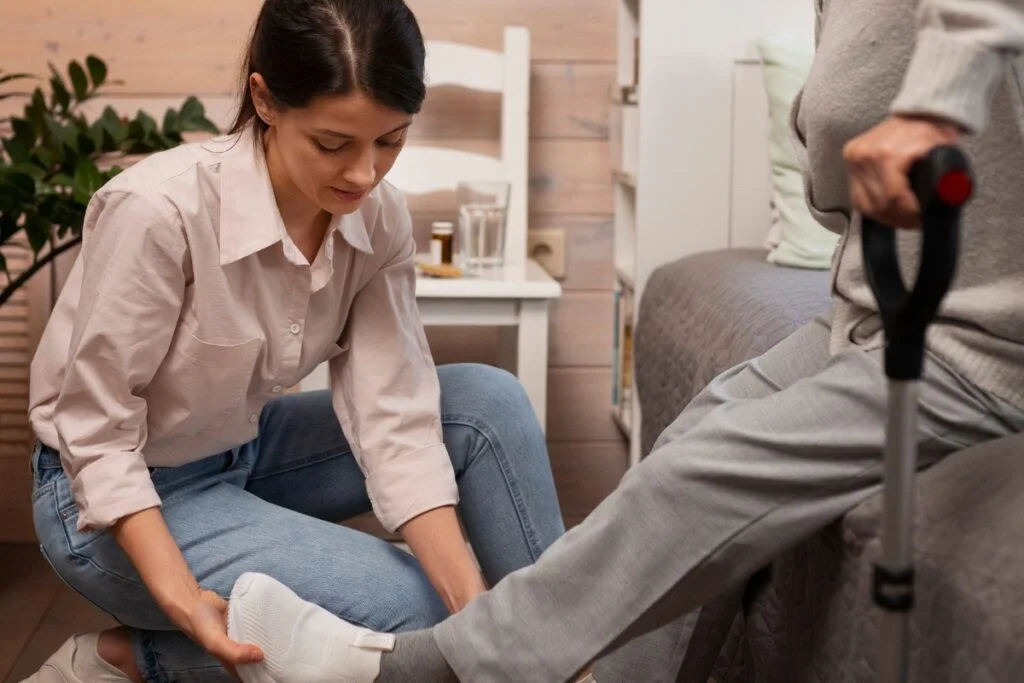
As people age, maintaining safety at home becomes increasingly important. One of the biggest risks older adults face is falling. Falls can lead to serious injuries, reduced mobility, and loss of confidence when performing daily activities. However, many falls are preventable with the right precautions, home adjustments, and mobility support.
By creating a safer environment and using the right mobility equipment, seniors can continue living comfortably and independently while reducing the risk of accidents.
Why Fall Prevention Matters
Falls are one of the most common causes of injury among older adults. Even a minor fall can result in fractures, bruises, or long recovery periods. Beyond physical injuries, falls can also lead to fear of moving around, which may reduce independence and quality of life.
Preventing falls is not only about avoiding accidents—it’s about protecting confidence, mobility, and overall well-being.
Fortunately, small improvements around the home can make a significant difference.
Common Causes of Falls at Home
Understanding why falls happen is the first step toward preventing them.
Some of the most common causes include:
- Slippery floors or wet surfaces
- Poor lighting in hallways or staircases
- Loose rugs or clutter on the floor
- Lack of support when standing or walking
- Weak balance or muscle strength
- Improper footwear
Bathrooms and staircases are among the most common locations where falls occur because of limited support and slippery conditions.
Improve Lighting Throughout the Home
Good lighting plays a major role in preventing accidents. Poor visibility can make it difficult to notice obstacles, steps, or uneven flooring.
To improve lighting:
- Install brighter bulbs in hallways and rooms
- Use night lights in bedrooms and bathrooms
- Ensure staircases are well illuminated
- Keep light switches easily accessible
These simple improvements make it easier to navigate the home safely, especially during nighttime.
Remove Tripping Hazards
Many falls occur simply because something gets in the way of a person’s path.
To reduce tripping hazards:
- Remove loose rugs or secure them with non-slip backing
- Keep electrical cords away from walking paths
- Organize furniture to create clear walkways
- Avoid leaving items on the floor
A clutter-free home creates a safer environment for daily movement.
Install Bathroom Safety Equipment
Bathrooms can be one of the most dangerous places in a home due to slippery surfaces and limited support.
Adding simple safety equipment can greatly reduce the risk of falls.
Helpful bathroom safety solutions include:
- Grab bars near toilets and showers
- Shower chairs for seated bathing
- Raised toilet seats for easier standing
- Non-slip bath mats
- Transfer benches for entering and exiting bathtubs safely
These tools provide stability and make bathing routines safer and more comfortable.
Use Mobility Aids for Additional Support
For individuals with reduced balance or strength, mobility aids provide essential support while moving around the home.
Some of the most common mobility aids include:
Walkers and Rollators
Walkers offer strong stability for individuals who need additional balance support. Rollators include wheels and brakes, allowing for smoother movement and easier navigation around the house.
Canes
A cane provides lightweight assistance for individuals who need mild support when walking.
Wheelchairs
For those who have difficulty walking longer distances, wheelchairs can provide comfort and safety while moving through the home or outside.
Many trusted mobility products are manufactured by leading companies such as Drive Medical, known for producing reliable medical equipment designed for safety and durability.
Wear Proper Footwear
Shoes play a significant role in maintaining balance and preventing slips.
The best footwear for seniors should have:
- Non-slip soles
- Proper arch support
- Secure fastening such as laces or straps
- Comfortable cushioning
Avoid walking around the house in socks or loose slippers that may increase the risk of slipping.
Keep Frequently Used Items Within Reach
Stretching or climbing to reach objects can lead to loss of balance.
To reduce this risk:
- Store commonly used items at waist or shoulder height
- Avoid placing objects on high shelves
- Use grab tools if needed to reach items safely
These adjustments reduce unnecessary strain and prevent dangerous movements.
Encourage Regular Movement and Strength
Maintaining physical strength helps improve balance and coordination. Gentle exercises can help seniors remain mobile and reduce fall risks.
Activities such as walking, stretching, or light strength training can improve muscle strength and flexibility.
Before starting any new exercise routine, it’s always best to consult with a healthcare professional.
Supporting Caregivers and Family Members
Caregivers play a critical role in helping maintain a safe environment for loved ones. Regularly reviewing the home for safety improvements can make a big difference.
Caregivers should also encourage open conversations about mobility challenges. When individuals feel comfortable discussing their needs, it becomes easier to find the right support solutions.
Final Thoughts
Creating a safer home environment is one of the most effective ways to protect seniors and individuals with limited mobility. Simple changes such as better lighting, removing tripping hazards, installing safety equipment, and using mobility aids can significantly reduce the risk of falls.
With the right precautions in place, individuals can continue living confidently and independently in the comfort of their own homes.
At Medix Mobility, we believe safety, comfort, and independence should always go hand in hand. By providing trusted mobility solutions and helpful guidance, we aim to support individuals and families in building safer, more accessible living spaces.