
Blog
Aging in Place: How Mobility Equipment Helps Seniors Stay Independent at Home

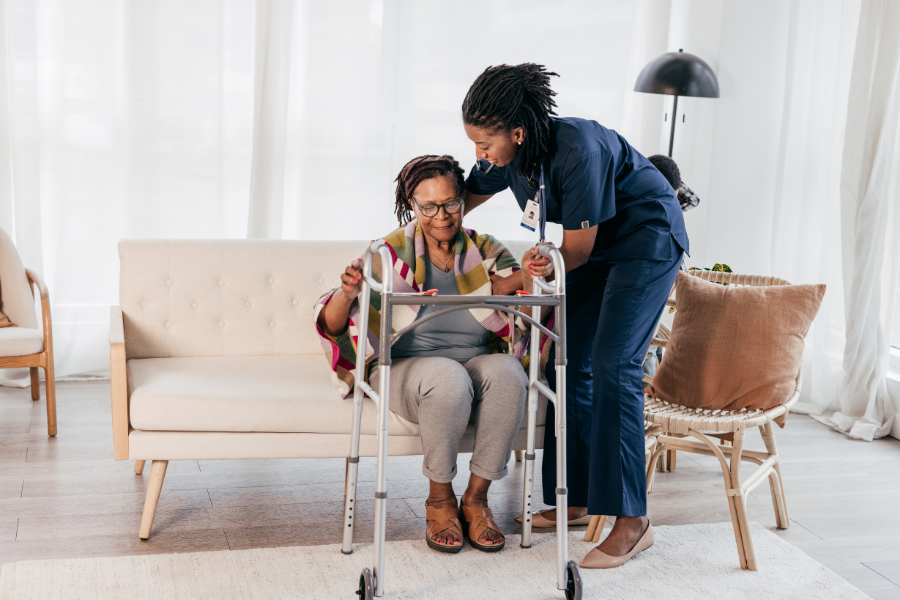
For many people, home represents comfort, familiarity, and independence. As individuals grow older, the desire to remain in their own home rather than move to a care facility becomes increasingly important. This concept is known as aging in place, and it focuses on allowing seniors to live safely, comfortably, and independently in their own environment for as long as possible.
While aging can bring physical challenges such as reduced strength, balance issues, or limited mobility, the right equipment and home adjustments can make it possible for seniors to continue enjoying their daily routines without sacrificing safety.
Mobility and medical equipment play a crucial role in supporting aging in place by providing the stability and assistance needed to navigate everyday life.
What Does Aging in Place Mean?
Aging in place refers to the ability of older adults to live in their own homes safely and independently as they age. Instead of relocating to assisted living facilities or nursing homes, seniors can maintain their lifestyle with the help of supportive tools, home modifications, and caregiver assistance when necessary.
Remaining at home offers several important benefits:
- Familiar surroundings that provide comfort and emotional security
- Greater independence and control over daily routines
- Continued connection with local communities and neighbors
- Reduced stress associated with major lifestyle changes
However, to make aging in place safe and practical, homes often need to be adapted to meet changing mobility needs.
Common Mobility Challenges for Seniors
As people age, natural changes in the body can affect mobility and balance. These changes may include:
- Reduced muscle strength
- Decreased joint flexibility
- Slower reflexes
- Vision or balance difficulties
- Chronic health conditions
These challenges can make everyday tasks such as walking, bathing, or getting out of bed more difficult. Without the proper support, these activities can also increase the risk of falls or injuries.
Fortunately, modern mobility equipment is specifically designed to address these challenges.
Mobility Aids That Support Independence
Many types of mobility aids can help seniors move safely around their homes and communities. These devices provide stability, support, and comfort while reducing strain on the body.
Walkers and Rollators
Walkers and rollators are among the most commonly used mobility aids. They provide balance support while walking and help reduce the risk of falls.
Rollators are especially useful for individuals who remain active but need occasional support. Many models include wheels, hand brakes, and a built-in seat for resting.
Wheelchairs and Transport Chairs
For individuals who have difficulty walking long distances, wheelchairs provide a reliable mobility solution.
Manual wheelchairs allow users to move independently or with caregiver assistance, while transport chairs are designed for easier mobility when pushed by a caregiver.
Modern wheelchairs are lightweight, foldable, and comfortable, making them practical for everyday use both indoors and outdoors.
Many trusted mobility products available today are manufactured by companies such as Drive Medical, known for producing durable and reliable medical equipment.
Mobility Scooters
Mobility scooters are ideal for individuals who want to maintain independence outside the home. These battery-powered devices allow users to travel longer distances without fatigue.
Scooters are commonly used for shopping, visiting friends, or attending community events. They provide freedom and flexibility while reducing physical strain.
Improving Bathroom Safety
Bathrooms are one of the most common areas for falls due to slippery surfaces and limited support.
Simple safety additions can make a major difference, including:
- Grab bars near toilets and showers
- Shower chairs for seated bathing
- Raised toilet seats
- Non-slip floor mats
- Transfer benches for bathtubs
These tools allow seniors to maintain personal hygiene while reducing the risk of accidents.
Bedroom and Living Room Comfort
Mobility support is also important in areas where people spend a lot of time resting or relaxing.
Lift Chairs
Lift chairs gently assist individuals when standing up or sitting down. The motorized lifting mechanism reduces strain on the knees and back, making it easier to move safely.
Adjustable Home Care Beds
Adjustable beds allow users to raise or lower different sections of the bed to improve comfort and circulation. These beds are especially helpful for individuals recovering from surgery or managing chronic conditions.
Making Small Home Modifications
In addition to mobility equipment, small home adjustments can greatly improve safety.
Helpful modifications include:
- Installing better lighting throughout the home
- Removing loose rugs and clutter from walkways
- Adding handrails to staircases
- Rearranging furniture to create wider walking paths
- Using non-slip flooring in high-risk areas
These simple improvements help create a safer environment while supporting independence.
Supporting Caregivers
Aging in place also affects family members and caregivers who assist with daily tasks. Mobility equipment can reduce the physical strain placed on caregivers and make it easier to provide support safely.
For example, transfer benches, adjustable beds, and mobility aids can help caregivers assist loved ones without risking injury to themselves.
This creates a more comfortable and sustainable caregiving environment for everyone involved.
The Emotional Benefits of Independence
Maintaining independence has significant emotional and psychological benefits. Being able to move freely within one’s home and perform everyday tasks helps individuals maintain confidence, dignity, and a sense of control over their lives.
Mobility equipment does more than provide physical support—it also helps preserve mental well-being and social engagement.
When seniors feel safe and supported, they are more likely to remain active, connected, and involved in their communities.
Final Thoughts
Aging in place is an achievable goal for many seniors when the right support systems are in place. With proper mobility equipment, thoughtful home modifications, and caregiver assistance when needed, individuals can continue living safely and comfortably in their own homes.
At Medix Mobility, our mission is to provide trusted mobility solutions that help people maintain independence, dignity, and quality of life.
The right equipment can transform everyday challenges into opportunities for confidence, comfort, and freedom.